Here's How Instagram Photos in Comments Works
A small camera icon has quietly appeared next to the comment box on some Instagram posts, and it's changing how people respond to each other under photos and reels. Instead of typing "same" or dropping a laughing emoji, users can now snap or select a photo and drop it directly into a reply. It sounds minor. It isn't. Comment sections have been text-only territory since Instagram launched, and this shift opens an entirely new layer of visual conversation that didn't exist before.
For anyone who spends real time on the platform - creators, small business owners, or just active commenters - understanding this feature matters more than it might first appear. It changes how engagement looks, how threads read, and how much effort someone puts into a reply. Creators who pick up on these shifts early tend to adjust their content strategy faster, whether that means encouraging photo replies under a new post or pairing this kind of interaction with other growth tactics, like working to boost instagram video views for reels that benefit from higher comment activity. The two aren't unrelated: more visual engagement in comments often correlates with longer time spent on a post, which feeds into how content performs overall.
This piece breaks down what the feature actually is, how it functions step by step, what's changed recently, what's specific to 2026, how it compares to similar tools, and what to watch out for before you start using it regularly.
What Is Instagram Photos in Comments? (Explained)
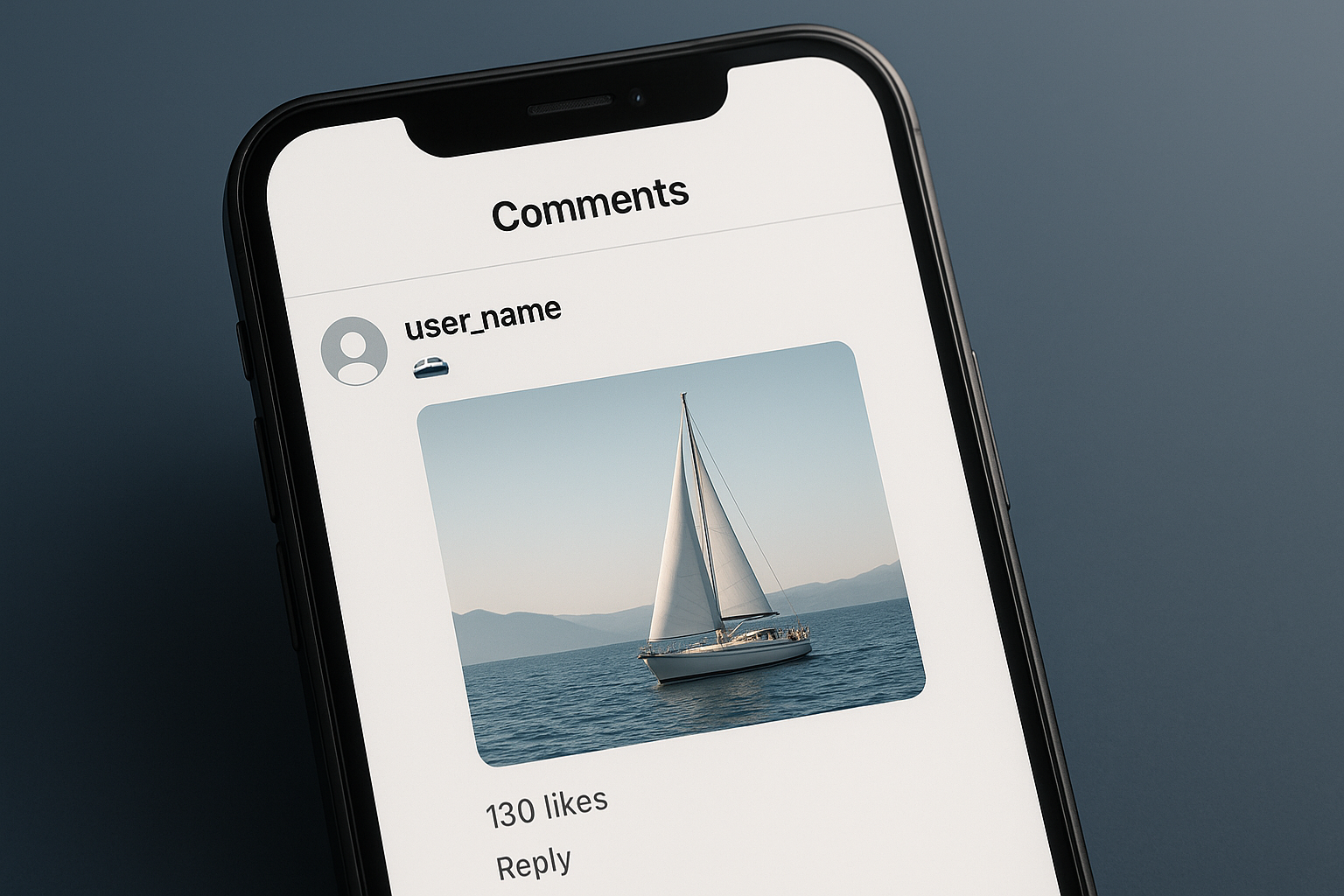
Instagram photos in comments is a feature that lets users attach an image directly to a reply within a comment thread, rather than limiting responses to text, emoji, or GIFs. Before this existed, if someone wanted to share a photo in reaction to a post, they had no real option inside the comment section itself - they'd send a direct message instead, or post a separate story tagging the original account. Now that gap is closed.
The mechanism is straightforward: a small camera or image icon sits inside the comment input field, and tapping it opens the option to upload an existing photo or capture a new one on the spot. The photo appears inline within the comment thread, visible to anyone who can see the original post's comments.
A few characteristics define how this works in practice:
- Photo replies appear nested under the original comment or post, keeping the visual context tied to the conversation.
- The feature respects the same privacy settings as the post itself - if the account is private, only approved followers can view the photo comment.
- Photos posted this way are subject to the same community guidelines and moderation systems as regular posts and stories.
- Unlike a direct message, a photo comment is public and part of the permanent comment record on the post.
Think of a cooking account posting a recipe, and a follower replying not with "looks great" but with an actual photo of their own attempt at the dish. That's the practical shape of instagram photos in comments - a small addition that turns a flat comment section into something closer to a shared photo board.
How Instagram Photos in Comments Actually Works
Once you understand the concept, the mechanics are simple enough that most users figure it out within a single attempt. The feature works the same way across posts, reels, and carousel images, though availability can still vary depending on your app version and region.
Step-by-Step: How to Reply with a Photo in Comments
- Open the post or reel where you want to leave a comment.
- Tap the comment field to bring up the keyboard and the row of icons above it.
- Tap the camera or image icon located near the comment input box.
- Choose to take a new photo or select one from your camera roll.
- Crop or adjust the image if the app allows it, then confirm.
- Add any accompanying text if you want to, then tap send to post the comment.
What Happens After You Post a Photo Comment
Once submitted, the photo comment behaves like any other comment on the post - it's visible to anyone who can view the post, it can be liked, replied to, or reported, and the original poster receives a notification just as they would with a text comment. The account that posted the original content can also delete the photo comment if they choose, the same way they'd remove any comment they find inappropriate or unwanted.
Moderation applies automatically. Instagram's existing content review systems scan photo comments the same way they scan regular posts, meaning images that violate community standards can be removed or flagged, and repeated violations can affect the commenting account's standing on the platform.
Instagram Photos in Comments: Latest Updates and Rollout
Like most Instagram features, photo comments didn't appear everywhere at once. The rollout followed a staged pattern, starting with a limited group of accounts and regions before expanding more broadly. This is fairly typical - Instagram tends to test engagement features on a smaller scale first, watching how people use them before deciding whether to widen access.
The latest phase of the rollout has focused on closing the gap between platforms. Early versions of the feature were inconsistent depending on whether someone used iOS, Android, or the desktop browser version of Instagram, which led to confusion when a photo comment option was visible to one person in a conversation but missing for another.
| Platform | Availability | Notable Behavior |
|---|---|---|
| iOS App | Widely available | Camera icon appears directly in comment field |
| Android App | Widely available | Same core functionality, slightly different icon placement |
| Desktop/Web | Limited or delayed | Feature may lag behind mobile versions |
The most recent updates have also improved how quickly photo comments load and display within long threads, reducing the delay that used to make image replies feel sluggish compared to text. For anyone tracking instagram photos in comments latest developments, the general direction is toward full parity across devices, faster load times, and broader availability by default rather than as an opt-in test.
Instagram Photos in Comments in 2026: What's Different Now
The 2026 version of this feature reflects a more mature stage of development compared to its earlier rollout phases. Where the initial version focused purely on getting the basic function working, the current version puts more weight on control, safety, and creative flexibility.
New Privacy and Moderation Controls in 2026
Account owners now have more granular control over who can leave photo comments on their posts. Instead of an all-or-nothing setting, creators can restrict photo replies to followers only, approved accounts, or turn the option off entirely while still allowing text comments. This addresses one of the more common complaints from the earlier rollout: unwanted or irrelevant images appearing under posts from accounts with large, open audiences.
New Creative Features (Filters, Stickers, Multi-Photo Replies)
The 2026 version also introduces lightweight editing tools directly within the photo comment flow - basic filters, simple stickers, and in some cases the ability to attach more than one photo to a single reply. A follower reacting to a travel photo, for example, can now attach two or three images of their own trip rather than being limited to a single shot. These additions push the feature closer to a mini photo-sharing tool embedded inside the comment section itself, rather than a bare-bones attachment option.
Instagram Photos in Comments vs Other Comment Features
Instagram already offers several ways to respond to a post beyond plain text, and photo comments now sit alongside tools like comment stickers, GIF replies, and voice messages sent through direct messages. Knowing where photo comments fit helps clarify when to use them versus an alternative.
| Feature | Format | Visibility | Best Use Case |
|---|---|---|---|
| Photo Comment | Static image | Public, tied to post | Sharing a related image publicly under a post |
| GIF Reply | Short animated clip | Public, tied to post | Quick reaction without a personal photo |
| Comment Sticker | Pre-designed graphic | Public, tied to post | Adding emphasis or humor without original content |
| Direct Message with Photo | Static image | Private, one-to-one | Sharing something personal or unrelated to the post |
A business responding to a customer complaint would likely use a direct message rather than a public photo comment, keeping the exchange private. A friend reacting to someone's vacation post with their own similar photo, on the other hand, fits naturally into the public comment format. The distinction comes down to whether the interaction is meant to be seen by everyone viewing the post or kept between two people.
Risks, Privacy, and Common Mistakes to Avoid
Because photo comments are public by default whenever the underlying post is public, it's worth pausing before assuming a photo reply is private or low-stakes. Anyone who can see the original post can see the image attached to a comment, and that image can be screenshotted, shared, or reported just like any other content on the platform.
- Posting personal or identifying photos in a public comment thread without considering who can see them.
- Assuming a photo comment is temporary or disappears - it remains attached to the post until either party deletes it.
- Ignoring that the original poster can remove any photo comment, including ones the commenter considers harmless.
- Attaching images that violate community guidelines, which can trigger moderation action against the commenting account, not just the removal of the image.
Before posting a photo reply on a public account, it helps to treat it the same way you'd treat posting the image as a standalone comment on a public wall - because functionally, that's exactly what it is.
Practical Tips to Use Instagram Photos in Comments Effectively
For creators and business accounts, photo comments offer a way to deepen engagement beyond likes and text replies. A well-placed photo reply can encourage other followers to do the same, turning a comment section into a more active, visual space under a post.
- Encourage photo replies directly in your caption, asking followers to share their own version of what's shown in the post.
- Respond to customer photo comments with your own image reply when appropriate, reinforcing a sense of direct interaction.
- Keep privacy settings for photo comments aligned with your audience size - more open for smaller, trusted communities, more restricted for larger public accounts.
- Monitor photo comments regularly, since moderating image replies takes more attention than scanning text alone.
Used deliberately, this feature adds a layer of engagement that plain text replies can't match, giving both creators and everyday users a more expressive way to participate in a conversation already happening under a post.
Questions and Answers
Can everyone see the photos I post in comments?
Visibility depends on the privacy settings of the account whose post you're commenting on. If the post is public, anyone can see the photo comment; if the account is private, only approved followers can view it.
Do photo comments work the same way on iOS, Android, and desktop?
The core function is similar across platforms, but desktop and web versions have historically lagged behind mobile in terms of full availability and interface consistency.
Can I delete a photo comment after I've posted it?
Yes, the person who posted the photo comment can delete it at any time, and the owner of the original post can also remove it regardless of who posted it.
Will the original poster be notified if I reply with a photo?
Yes, a photo comment triggers a notification the same way a text comment does, letting the poster know someone has responded to their content.
Is there a limit to how many photos I can attach to one comment?
Earlier versions of the feature limited replies to a single image, while more recent updates allow multiple photos in one reply, depending on the app version being used.
How is a photo comment different from sending a photo through direct message?
A photo comment is public and tied permanently to the post's comment thread, while a direct message photo is private and visible only to the sender and recipient.